November 18, 2026
Lake District Spa Breaks: What to Look for in a Winter Spa Hotel
Outdoor hot tubs in the frost, thermal suites and fell views from the pool. How to choose a Lake District spa hotel for a winter break, and the questions worth asking before you book.
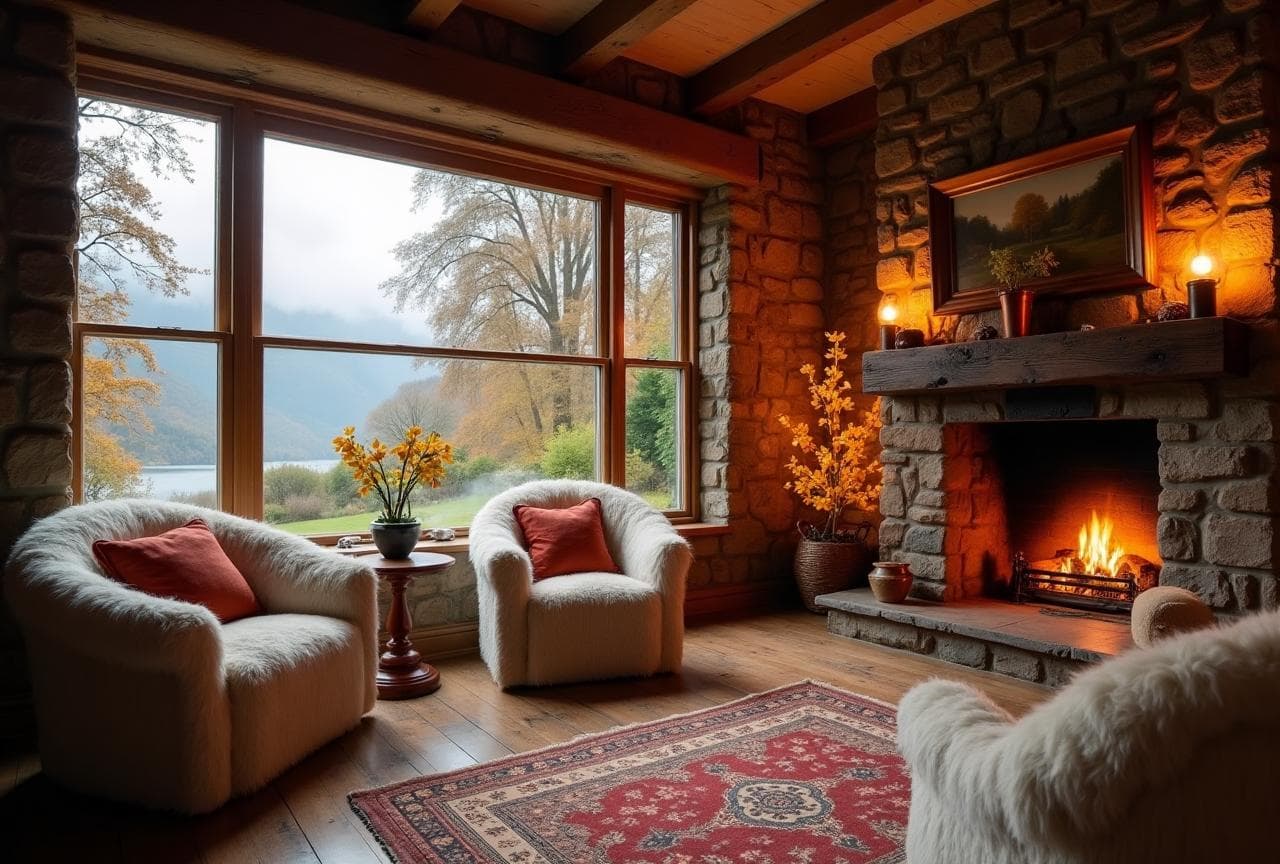
There is a particular pleasure in sitting in hot water while the air around you is close to freezing. Steam rises off the pool, the fells behind are white on top, and the only decision left in the day is whether to have dinner at seven or eight. Winter is when a Lake District spa break makes the most sense, and it is when the spas are at their best.
It is also a crowded field. A great many Lake District hotels now describe themselves as spa hotels, and the word covers everything from a single treatment room to a full thermal suite with indoor and outdoor pools. This guide will help you tell them apart.
Why winter is spa season
The weather does half the work. A day that starts with a frosty walk and ends in a sauna is better than either on its own, and the contrast between cold air and warm water is the whole appeal of an outdoor pool or hot tub.
Winter is also quieter and usually cheaper. Outside Christmas, New Year and Valentine's weekend, midweek spa breaks between November and March tend to be the best prices of the year. Treatment slots are easier to get, and the pool is more likely to be yours.
What a spa hotel should have
Start with water. Is there a pool, and is it big enough to swim in or is it a plunge pool? Is any of it outdoors? An outdoor hydrotherapy pool or hot tub with a view is the single feature that most changes a winter stay.
Then heat. A good thermal suite offers more than one kind: a sauna, a steam room, perhaps a salt room or an ice fountain, and somewhere warm to lie down between them.
Then space. The relaxation room matters more than people expect. You will spend longer there than anywhere else, so look for daylight, a view and enough loungers that you are not hovering for one.
Finally, treatments. Check which product houses the spa works with, how long the treatments are, and whether therapists are employed by the hotel. A short menu done well is a better sign than four pages of options.
Questions to ask before you book
Is spa access included in the room rate, or charged on top? Some hotels include full use of the facilities for residents. Others include a set session and charge for more.
Are there timed slots? Many spas now manage numbers with bookable sessions. That keeps things calm, but it means you should reserve your times when you book your room, not when you arrive.
Is the spa open to day guests and members? It is no bad thing, but it affects how busy the pool is at weekends.
Is there an age limit? Most thermal suites are adults only, and some hotels set family swim times. Whether that is good news depends on who you are travelling with.
Can you use the spa before check-in and after check-out? Many hotels allow it, which effectively turns a one-night stay into two days.
Choosing where in the Lakes
The south, around Windermere and Bowness, has the greatest concentration of spa hotels and is the easiest to reach by train. It suits a first visit and a short break.
Ullswater and the eastern valleys are quieter and feel more remote, with the Helvellyn range as a backdrop. Aira Force and the lakeshore paths are on the doorstep for a morning walk.
Keswick and the north give you Derwentwater, Borrowdale and the best choice of fell walks from the door, with the town's shops, cafes and theatre for a wet afternoon.
Grasmere and Ambleside sit in the middle of it all, well placed for both Windermere and the northern lakes, and are hard to beat for a village base.
Pair it with a walk
A spa day is better earned. Keep the walk short and low so that you are back by lunch: the shore path around Buttermere, the terrace above Grasmere and Rydal Water, or a lap of Tarn Hows. Take a flask, get slightly cold on purpose, and book your treatment for mid-afternoon.
Why it pays to book direct
Spa breaks have more moving parts than an ordinary hotel stay. You want a particular treatment at a particular time, a table for dinner, perhaps a room with a bath or a view of the lake. Those are conversations to have with the hotel itself. Booking direct means the people arranging your stay are the people delivering it, and special requests do not get lost between systems.
Hotels also tend to keep their best packages for their own guests: a treatment included, a later check-out, a third night at a lower rate. And when you book direct, the whole of what you pay stays with the hotel instead of a share going to a booking platform.
Property in the Lakes launches in 2027 with a collection of the Lake District's best hotels, spas and exclusive-use houses, all booked direct and with no booking fees. Leave your email on our homepage to hear when we open.